Serving West Des Moines, IA and surrounding areas. (515) 706-9183
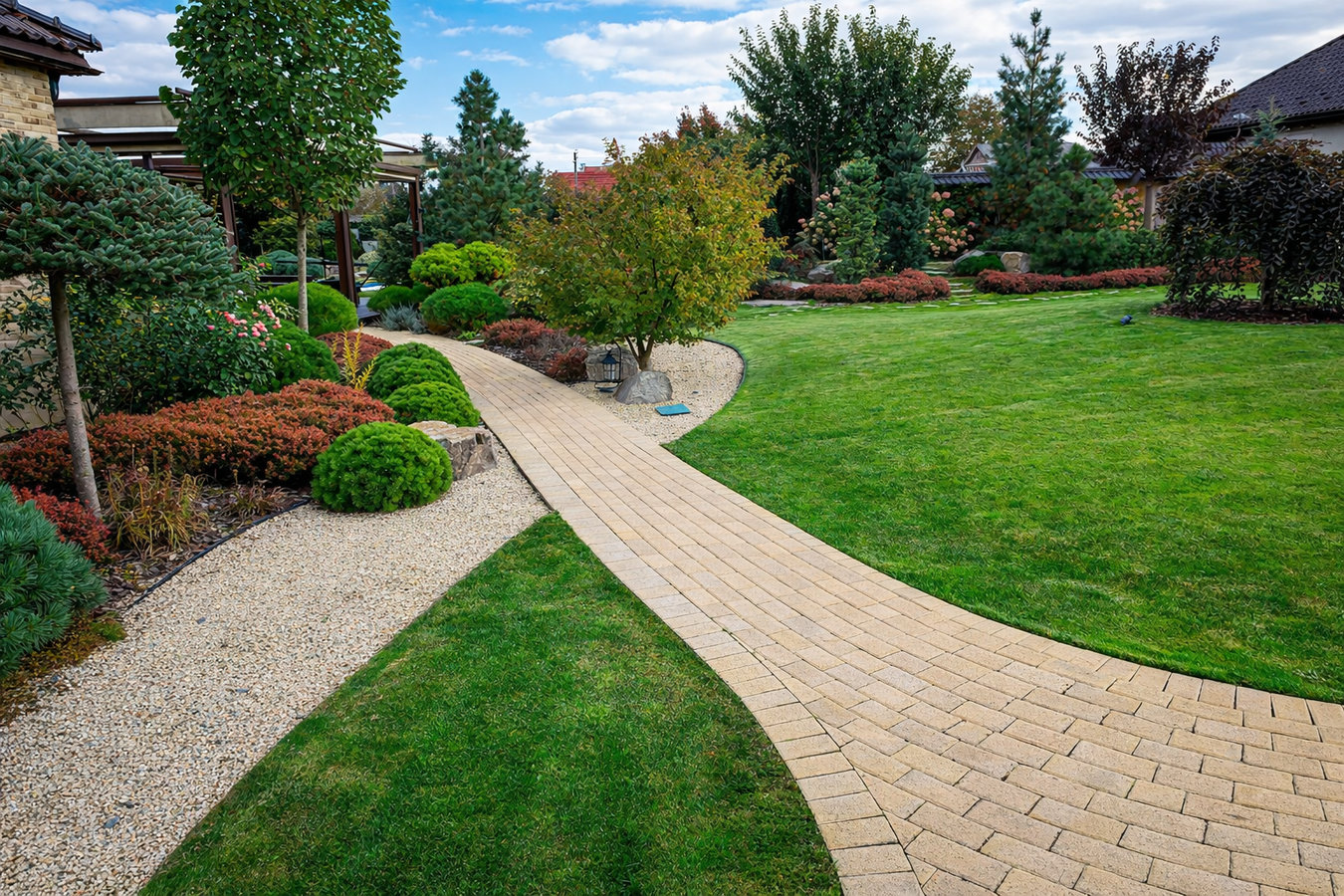
A cracked, heaved walkway is more than an eyesore - it is a trip hazard and a sign the base underneath has failed. We build new walkways with deep excavation, a compacted gravel base, and the right drainage grade so Iowa winters do not undo the work.
Walkway construction in West Des Moines means removing the old surface, excavating the clay soil underneath, and installing a compacted gravel base before any new material goes down. Most residential projects run one to three days from demolition to finished surface, with concrete needing 24 to 48 hours before foot traffic and full strength arriving over the following weeks.
The base work is what separates a walkway that lasts 25 years from one that cracks and shifts after two winters. Iowa's clay-heavy soils expand when wet and contract when dry, and that movement pushes hard surfaces around over time. Cutting corners on excavation depth is the most common shortcut - and the most common reason homeowners are back to square one sooner than they should be. If you are also planning to update your driveway surface, our driveway pavers work pairs well with a new front walkway for a finished, coordinated look from curb to door.
If you have filled cracks before and they keep reopening - especially after winter - that is a sign the base has shifted and patching the surface is no longer enough. In West Des Moines, the freeze-thaw cycle and clay soils work together to push walkways out of position over time. Once the base is compromised, the only real fix is to start fresh.
Walk your path slowly and notice whether any sections feel higher or lower than the ones next to them, or whether slabs have tilted so water runs toward your house instead of away from it. This movement is common in older West Des Moines neighborhoods where the original base was not deep enough. Uneven sections are also a trip hazard - especially for older family members visiting.
After a rain, your walkway should shed water cleanly to the sides. If you see puddles sitting on the surface, or water collecting where the walkway meets your house, the slope has shifted in a way that is directing water the wrong direction. Left alone, this can eventually push water toward your foundation - a far more expensive problem.
Concrete exposed to many Iowa winters - and to road salt tracked in from driveways - often starts to flake or pit. This is called spalling, and once it starts, it tends to spread. If large chunks are breaking off at the edges or the surface feels rough and loose underfoot, the walkway has reached the end of its serviceable life.
Every walkway project starts the same way - demo, excavation, compacted gravel base, grade set for drainage - but the surface material changes what the finished path looks like and how it performs over time. Concrete is the most common choice and tends to be the most cost-effective upfront. Concrete pavers and brick pavers cost more to install, but individual units can be replaced later without tearing up the whole surface - a real advantage over a single-pour concrete walkway when one section shifts or cracks. For a complete exterior upgrade, pairing a new walkway with our brick wall installation service gives your property a cohesive, finished look that a walkway alone cannot achieve.
Material choice also depends on what sits next to the walkway. Brick pavers complement homes with brick exteriors and older architectural styles common near Valley Junction. Natural stone suits homes with stone accents or landscaping-heavy yards. Concrete works well everywhere and is especially practical when budget is the primary concern. We also work alongside our driveway pavers projects when homeowners want a unified material from the street all the way to the front door.
Best suited for homeowners who want a durable, low-maintenance path at the most affordable installed price.
Best suited for homeowners who want a more finished appearance and the flexibility to replace individual sections later.
Best suited for homeowners who want a premium surface that complements brick exteriors or traditional home styles.
West Des Moines sits in a climate zone where temperatures drop well below freezing from November through March and climb into the 90s in summer. That constant expansion and contraction of the ground is the number one reason walkways crack and shift here. On top of that, much of the metro sits on expansive clay soils that swell when wet and shrink when dry - amplifying the stress on any hard surface sitting above them. A contractor who does not account for this through deep excavation, compacted gravel replacement, and control joints is setting you up for repairs within a few years. The Interlocking Concrete Pavement Institute publishes residential installation standards that guide base preparation and drainage in exactly these soil and climate conditions.
A large share of homes in West Des Moines were built between the 1960s and the 1990s, which means many original walkways are now 30 to 60 years old and were built to shallower standards than what contractors use today. Homeowners in Norwalk and those near Waukee frequently reach out after noticing that their paths have heaved noticeably through recent winters. The City of West Des Moines requires permits for work that affects drainage or connects to a public sidewalk - we handle that process on your behalf before any digging starts.
We ask a few basic questions - how long the walkway is, what is there now, and what you are hoping to replace it with. We schedule a time to walk the site in person before giving you a price, because the condition of the existing surface and the ground underneath can change the scope significantly. You will receive a written estimate that breaks out labor and materials separately.
We walk the property with you, point out anything that may affect the project - tree roots, drainage grade, proximity to a public sidewalk - and explain the plan. If a permit is required by the City of West Des Moines, we handle the application. Expect a few days added to the timeline for city review. Iowa One Call (811) utility marking is completed before any digging begins.
The crew breaks up and removes the old surface, then excavates to the depth needed for a stable base. A layer of gravel goes down and is compacted before any new material is placed. This is the most disruptive phase - expect noise, equipment, and a debris pile. Most crews haul away the old material the same day.
The new surface goes in - concrete is poured, leveled, textured, and fitted with control joints; pavers are set unit by unit and the joints filled. Before the crew leaves, we do a final walkthrough with you and explain how long to stay off the surface and what to avoid using on it through your first Iowa winter.
Free on-site estimate. Written quote. We respond within 1 business day.
(515) 706-9183We excavate the clay, replace it with compacted gravel, and set the drainage grade before any surface material goes down. That base is what determines how long the walkway holds up - and it is the step most shortcuts skip. You cannot see it once the job is done, but you will feel the difference over ten winters.
We walk the site thoroughly before giving you a number - including checking the condition of the ground underneath - so the estimate reflects the actual job. If something unexpected comes up during demolition, we tell you before we proceed. You approve any changes before costs increase.
The City of West Des Moines requires permits for work affecting drainage or public sidewalks. We know the current requirements, submit the application on your behalf, and coordinate any required inspections. A permitted walkway is documented and fully above board - which matters when you sell your home.
Iowa law requires utility marking before any excavation. We contact Iowa One Call (811) as a standard part of every project - not something you need to follow up on. The Mason Contractors Association of America guides our professional practices across every job we take on in this area.
Every walkway we build in West Des Moines starts with the same commitment: a base that handles Iowa's freeze-thaw cycles, a grade that moves water away from your foundation, and a surface that looks right next to your home. We have been working in this area long enough to know that the neighborhoods and soil conditions here require more than a standard approach.
Add a low brick border or privacy wall alongside your new walkway for a finished, permanent look that landscaping alone cannot achieve.
Learn MoreMatch your walkway material to a new paver driveway for a unified surface from the street to your front door.
Learn MoreMasonry contractors in West Des Moines book out fast once the weather turns - reach out now and lock in your spot before the rush.