Serving West Des Moines, IA and surrounding areas. (515) 706-9183
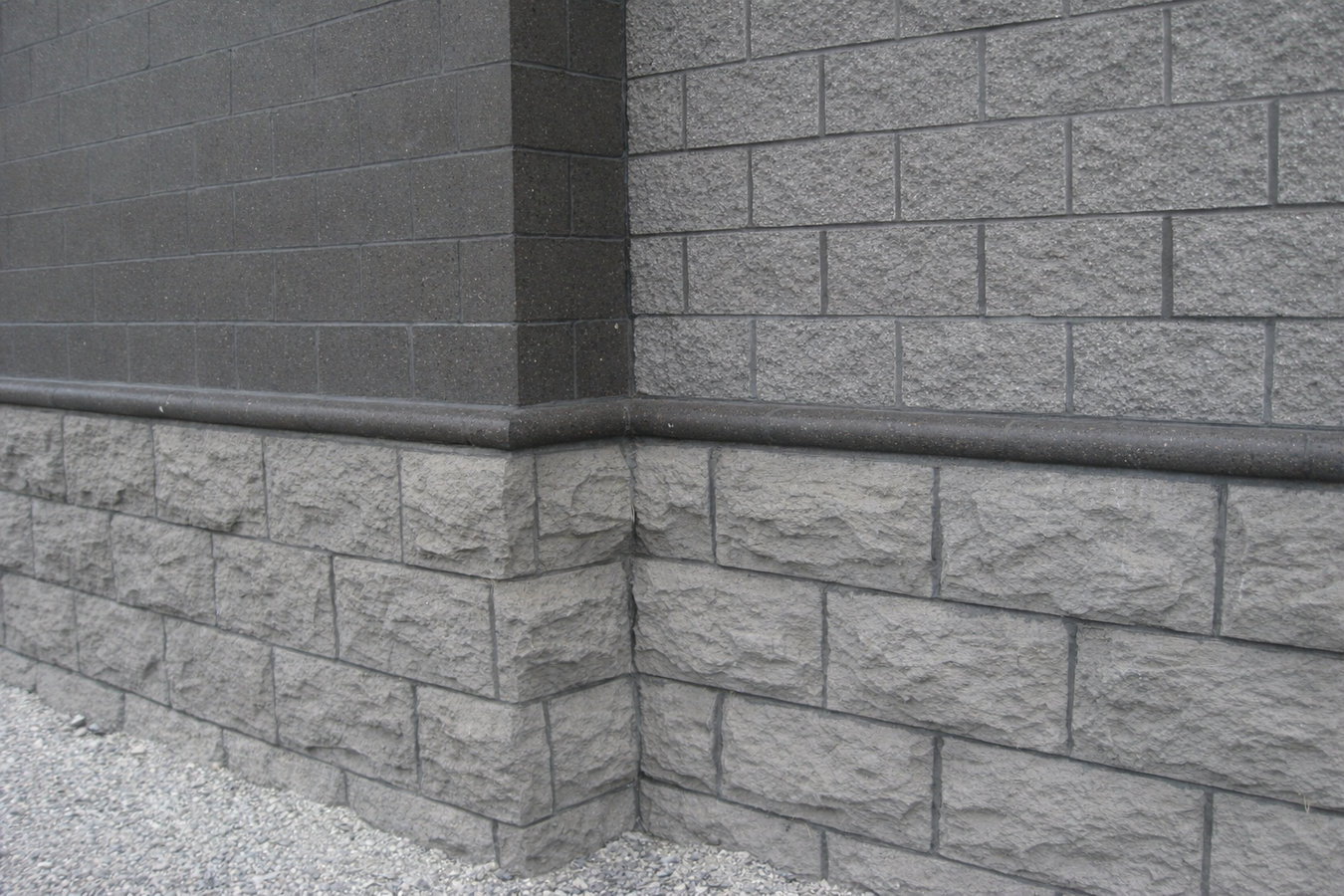
Stop watching your yard wash away every spring. A properly built concrete block wall holds your soil in place and handles Iowa winters without shifting or cracking.
Concrete block walls in West Des Moines involve pouring a footing below the frost line, stacking blocks course by course with mortar, and installing drainage behind retaining walls to manage clay-soil water pressure. Most residential walls take one to five days from excavation to final cleanup, depending on length and height.
The walls that fail early in this area almost always have one of two problems - a footing that was not deep enough for Iowa winters, or water that had nowhere to drain and slowly pushed the wall outward. If you are replacing an old timber or railroad-tie wall that is leaning or rotting, a concrete block wall built correctly will be the last wall you ever need on that property. We also handle larger-scale retaining wall construction projects when the scope calls for it.
If you notice bare patches at the base of a slope, soil washing onto your driveway or sidewalk after rain, or a slope that looks steeper than it used to, your yard is eroding. West Des Moines gets significant spring rainfall, and clay-heavy soil that is not held in place moves faster than you would expect. A concrete block retaining wall stops that erosion for good.
If you have an older wood retaining wall that leans forward, shows visible rot, or has gaps where boards have pulled away from posts, it is past its useful life. Many West Des Moines homes built in the 1970s and 1980s have these walls. A leaning wall is also a safety concern - if it fails suddenly, it can dump significant soil onto a patio or neighboring property.
Horizontal cracks running along the length of a block wall - especially near the base - are a sign that soil pressure or frost heaving has stressed the structure. Small vertical cracks at the ends are less urgent but worth evaluating. Do not wait until a cracked wall leans visibly; by that point the repair is often more expensive than a rebuild.
If water consistently collects near your foundation rather than draining away from the house, a graded retaining wall can redirect that flow. In West Des Moines, where clay soil slows drainage significantly, this is a common problem on lots with any slope toward the house. Left unaddressed, it can lead to basement moisture issues that are far more expensive to fix.
We build concrete block retaining walls, garden walls, and landscape border walls for residential properties across West Des Moines. Every retaining wall project starts with excavating to below the frost line - roughly 42 inches deep in central Iowa - before any concrete is poured. We include gravel backfill and a drainage pipe behind every retaining wall so water pressure does not build up in the clay soil behind it. Block cores are filled or reinforced as needed based on wall height, and mortar joints are finished to a clean, consistent face.
Block walls pair naturally with related work. Some homeowners add a foundation block wall when updating their home's structural base at the same time. Others use a concrete block retaining wall as the structural backbone and finish the visible face with retaining wall construction using stone or brick veneer for a polished final look.
Best for homeowners replacing a failed timber, railroad-tie, or crumbling block wall that is leaning or no longer holding soil.
Best for homeowners wanting to create a level terrace on a sloped lot or stop erosion on a yard that loses soil every spring.
Best for homeowners who want a durable border wall to define garden beds, pathways, or outdoor spaces without the requirements of a structural retaining wall.
West Des Moines sits on clay-heavy glacial soil that holds water rather than letting it drain through. For retaining walls especially, this means a contractor who skips proper drainage behind the wall is setting the homeowner up for failure within a few seasons. The ground also freezes to around 42 inches deep in a hard Iowa winter - any footing that does not reach below that depth will shift and crack as the ground heaves and settles each year. Established neighborhoods in West Des Moines - particularly those built out in the 1960s through 1980s - have a high concentration of aging timber and railroad-tie walls that are now at or past the end of their useful life. National Concrete Masonry Association (NCMA) design standards provide the technical benchmarks we follow for footing depth, drainage, and reinforcement in exactly these conditions.
We work across the metro, and homeowners in Urbandale often call us about retaining wall replacements in neighborhoods developed decades ago where wood walls are giving out. Homeowners in Norwalk dealing with sloped yards that drain poorly in spring contact us about new walls to manage the water movement their clay-heavy soil creates. The permit process in West Des Moines requires planning ahead - the city's Development Services department processes a high volume of permits, so building in a one-to-three-week lead time before the crew can start is realistic.
We respond within one business day. We will ask about the wall location, roughly how long and tall, and whether it is a new wall or a replacement. We do not quote over the phone - the slope, soil, and access at your specific property all affect the price significantly.
We come to your property, assess the site conditions, and give you a written estimate that breaks out materials, labor, and permit fees. For retaining walls in West Des Moines, a city permit is typically required - we confirm whether your project needs one and handle the application.
The permit process usually adds one to three weeks before work can begin - build that into your timeline. While waiting, clear the work area of furniture, planters, and anything within a few feet of the wall location. If an existing wall is being removed, we handle demolition.
We dig to below the frost line, pour the footing, and let it cure before any blocks go up. Block laying and drainage installation move quickly once the footing is ready. A city inspection closes out permitted projects. We do a final walkthrough with you before leaving the site.
Free on-site estimate, no obligation. We handle permits so your project is done by the book.
(515) 706-9183Every wall we build has its footing excavated below the frost line for central Iowa - typically well past 40 inches. That is the step that prevents shifting and cracking after the first hard winter, and it is the most common thing a cheaper contractor will shortcut. A wall that stays straight and level season after season starts with a footing nobody ever sees.
Clay soil in West Des Moines holds water, and water pressure is what destroys retaining walls. We include gravel backfill and a drainage pipe behind every retaining wall we build - that is not an upgrade, it is standard practice here. The homeowners who call us with failing walls almost always have one thing in common: no drainage was included in the original installation.
Retaining walls in West Des Moines typically require a city permit, and unpermitted walls can cause real problems at the time of a home sale. We pull the permit through the City of West Des Moines Development Services office, coordinate the inspection, and close out the paperwork - so your wall is a documented, legal improvement to your property.
We build to National Concrete Masonry Association guidelines for footing design, drainage, and reinforcement - the same standards used to evaluate block wall quality in the industry. That gives you an independent benchmark to hold us to, not just our word. One card may carry an external authority link. We also follow Iowa Division of Labor contractor registration requirements.
A concrete block wall built correctly in Iowa is likely the last wall you will ever need on that property. The work that makes it last - deep footings, proper drainage, and city permits - is what we put our focus on every time.
Structural block wall work at the foundation level, keeping your home's base solid and properly waterproofed against Iowa soil movement.
Learn MoreLarger-scale retaining wall projects using block, stone, or masonry to hold back significant grade changes on sloped residential lots.
Learn MorePermit timelines in West Des Moines mean the sooner you reach out, the sooner your wall is done - and done correctly before another Iowa winter puts pressure on an unprotected slope.