Serving West Des Moines, IA and surrounding areas. (515) 706-9183
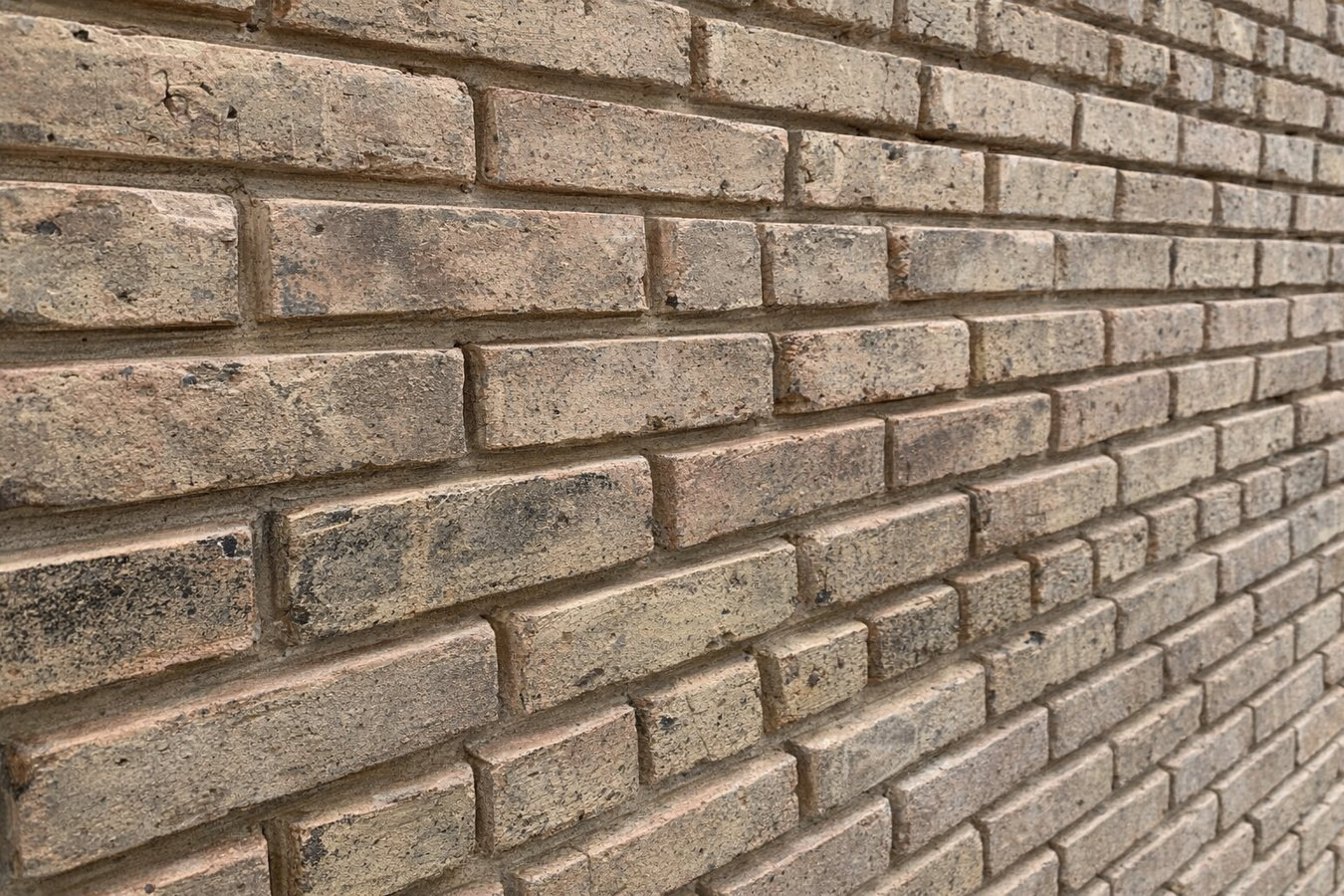
West Des Moines Concrete & Masonry is a locally owned masonry contractor serving Windsor Heights with tuckpointing, chimney repair, and foundation repair. Most homes here were built between the 1950s and 1970s, and we have been helping owners of homes like yours stay ahead of masonry wear since 2018.
Windsor Heights homes from the 1950s through 1970s have original mortar that is now 50 to 70 years old - well past the point where spot-patching is enough. Tuckpointing removes the deteriorated mortar and replaces it with fresh material matched to the existing brick, stopping water infiltration before it reaches interior walls or the foundation below.
Original brick chimneys from the 1950s and 1960s are common in Windsor Heights, and after six or more decades of Iowa winters, the mortar caps and crown are often cracked open to water. A damaged chimney in this climate lets freeze-thaw moisture into the masonry stack every winter, and the damage accelerates with each passing season.
Postwar foundation construction in Windsor Heights used materials and methods that are now 50 to 70 years old. Clay soil movement in central Iowa puts sustained lateral pressure on basement walls, and horizontal cracking in block or poured walls is a common finding in homes of this era. Early repair is far less costly than waiting.
Many Windsor Heights driveways were poured in the original construction era or replaced in the 1980s and 1990s - both cohorts are now showing deep surface cracking, heaving from tree roots, and edge deterioration. Paver installations hold up better under the root pressure common on Windsor Heights lots than fresh poured concrete.
Brick-front ranch homes along University Avenue and surrounding streets have exterior brick that has been exposed to Iowa weather for more than five decades. Spalling bricks absorb water faster than intact ones, and in this climate each winter accelerates the breakdown. Matching original brick for repairs on 1950s homes takes experience with older materials.
Windsor Heights lots with any grade change between the street and the backyard need properly installed retaining walls that account for clay soil drainage. Walls built without adequate drainage behind them fail quickly under the hydrostatic pressure that builds up after a wet Iowa spring, and older walls from the 1960s and 1970s are frequently at or past that point.
Windsor Heights is a landlocked inner-ring suburb entirely surrounded by Des Moines and Clive, and the city has no room to expand outward. That means the housing stock here is fixed - almost entirely single-family homes built between the late 1940s and the 1970s. At 50 to 75 years old, those homes are deep into the range where masonry maintenance is not optional. Original mortar joints, brick chimneys, concrete driveways from the 1980s or earlier, and foundation block walls from postwar construction are all at or past their designed service life. The question for Windsor Heights homeowners is not whether masonry work is coming - it is whether to address it before or after the damage compounds.
Clay soil is the other constant in this area. Central Iowa soil expands when wet and shrinks when dry, putting seasonal pressure on foundations, lifting concrete slabs, and pushing on retaining walls. The wet-dry cycle is more pronounced here than in areas with sandier or more mixed soil, which is why Windsor Heights foundation crack calls tend to be more frequent than in newer outer-ring suburbs. Mature trees - a defining feature of Windsor Heights lots - add root pressure that compounds the concrete heaving issue in a way that homeowners do not always connect to masonry repair.
Our crew works throughout Windsor Heights regularly, and we understand the local conditions that affect masonry work here. We coordinate with the City of Windsor Heights on permit requirements for structural and masonry projects, and we handle that process on behalf of the homeowner - you do not have to figure out what needs a permit and what does not.
University Avenue runs through the heart of Windsor Heights and is the road most residents use every day. The residential streets just off that corridor - from the blocks near Colby Park to the quieter sections closer to the Des Moines border - have a consistent character: modest ranch and split-level homes, mature landscaping, and brick or aluminum-sided exteriors that are now ready for serious masonry attention. We have worked on homes throughout those streets and know the material conditions to expect.
Windsor Heights sits between Des Moines to the east and south, where the housing vintage and masonry challenges are similar to what we see in Windsor Heights every day. We also serve Clive to the west - the same crew, the same permits process, and the same attention to older home materials.
Describe what you are seeing and how long it has been visible. We respond within one business day to schedule an on-site visit at a time that works for your household.
We assess the full scope of the work and provide a written estimate in plain language. No phone ballparks - you get a real price and a clear explanation of what we found before you decide anything.
For any project requiring a City of Windsor Heights permit, we manage the application and coordinate inspections. You will have a confirmed start date and completion window before the crew arrives.
The crew works cleanly and restores the property when finished. We walk you through the completed work, explain the warranty, and make sure inspection sign-off is complete before we close the job.
We respond within one business day. No obligation - just a clear, written assessment of what your Windsor Heights home needs.
(515) 706-9183Windsor Heights is a small, fully enclosed city of around 4,800 people, bordered on all sides by Des Moines and Clive. Because it is landlocked with no room for new development, the city is focused entirely on maintaining and improving what already exists. The housing stock is compact and consistent - mostly single-family ranch homes and split-level houses built during the postwar suburban expansion of the 1950s through 1970s. Brick fronts and aluminum or vinyl siding are common exterior finishes, and most lots have large, mature trees that have been growing for 40 to 60 years. According to Windsor Heights city data, homeownership rates are well above 60 percent, reflecting a community of long-term residents who take maintenance seriously.
University Avenue is the main artery, running east toward Des Moines and west toward Clive. Colby Park provides green space for residents, and the city government on Hickman Road actively maintains streets, sidewalks, and stormwater systems. Windsor Heights is adjacent to Clive to the west, where the housing stock shares similar vintage characteristics, and to Des Moines on three sides - a geographic location that puts it in the core of our regular service area.
Restore structural integrity and stop foundation damage before it worsens.
Learn MoreBuild strong retaining walls that control erosion and define your landscape.
Learn MoreTransform any surface with the timeless look of natural or cultured stone.
Learn MoreConstruct solid, low-maintenance concrete block walls for any application.
Learn MoreInstall a reliable foundation block wall built for lasting structural support.
Learn MoreCreate an outdoor kitchen built from quality masonry for years of enjoyment.
Learn MoreDesign and build beautiful walkways that welcome guests to your property.
Learn MoreAdd classic brick walls that provide privacy, character, and lasting value.
Learn MoreWe serve all of Windsor Heights and the surrounding Des Moines area. Reach out today for a written estimate within one business day.