Serving West Des Moines, IA and surrounding areas. (515) 706-9183
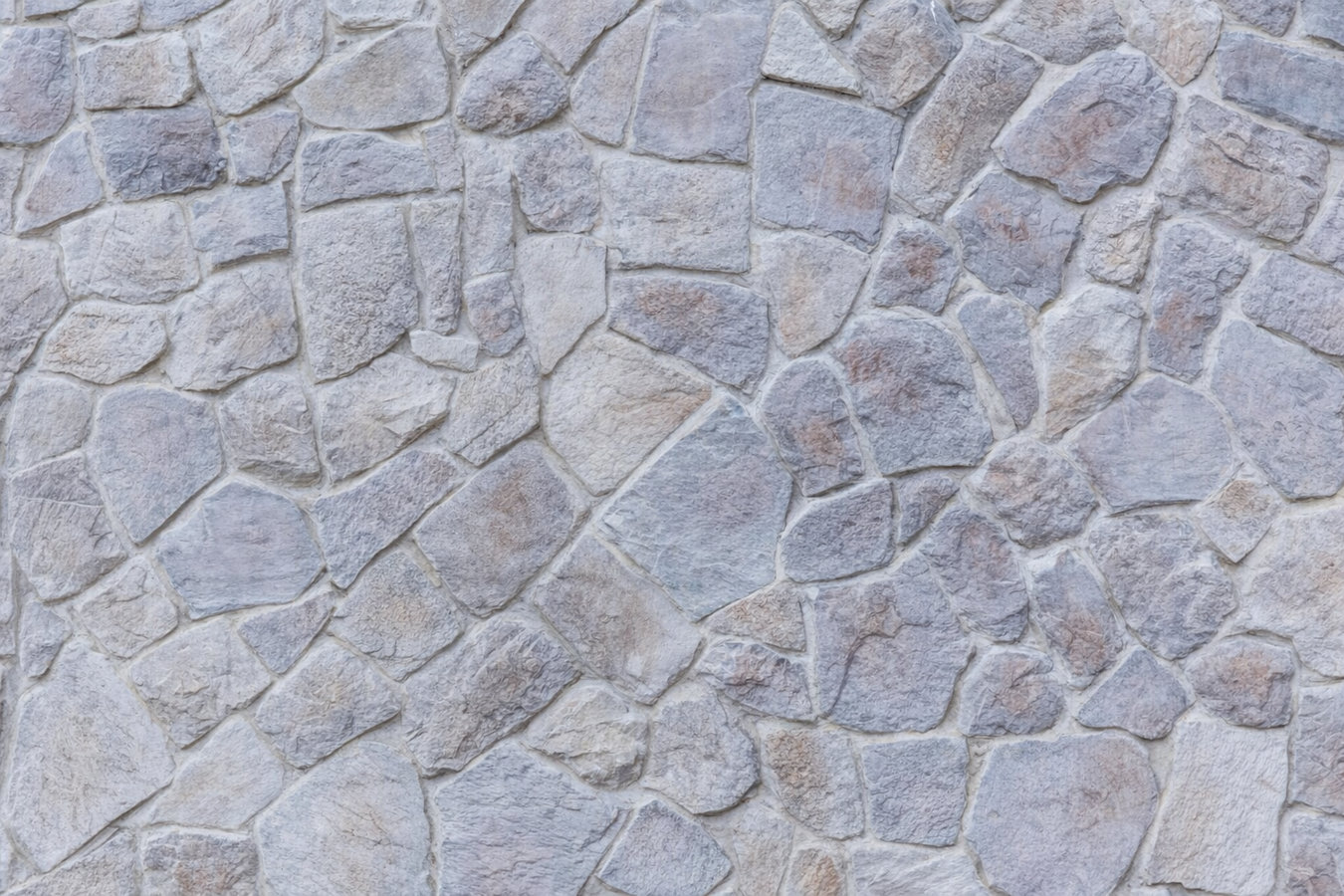
Stone masonry done right starts with the base and the mortar - not just the stone on top. We build for Iowa's freeze-thaw cycles and clay-heavy soils so your retaining wall, steps, or patio holds its shape for decades.
Stone masonry in West Des Moines covers building and repairing walls, steps, patios, retaining structures, and decorative features using natural or manufactured stone set in mortar - most residential projects run one day to two weeks depending on scope, weather, and whether permits are required.
If you have a retaining wall that is leaning, front steps that have cracked and shifted, or mortar joints that are crumbling after a hard winter, you are not alone. A large share of West Des Moines homes were built between the 1970s and 1990s, and original stone features from that era are now 30 to 50 years old - right at the age where mortar fails and bases begin to settle. The clay soil under most of this city expands when wet and contracts when dry, which puts constant stress on anything sitting on or in the ground. Getting that assessed and repaired before the next Iowa winter is almost always cheaper than waiting. If your chimney or mortar joints are the primary concern, our brick pointing service may address that specific problem more directly.
Natural stone - limestone, granite, fieldstone - has unique color variation but costs more than manufactured stone, which is made from concrete and pigment to mimic the look. Both hold up well in Iowa's climate when the base and mortar are done right. Your mason can help you decide which fits your budget and your home's style. The Natural Stone Institute publishes guidance on sealing, maintenance, and stone selection that is worth reviewing before you commit to a material.
Run your finger along the joints between stones on your chimney, retaining wall, or front steps. If the mortar feels soft, flakes off easily, or has visible gaps, it is breaking down. In West Des Moines, this often accelerates after a harsh winter - the freeze-thaw cycle is hard on older mortar, and what looks like minor surface wear can signal deeper deterioration that will worsen fast if left alone.
A retaining wall that is starting to tilt - even slightly - is telling you the pressure behind it is winning. This is especially common in West Des Moines yards with clay-heavy soil, where water buildup behind the wall adds significant weight and push. A leaning wall will not fix itself, and waiting usually means a more expensive repair or a full rebuild.
Stones that were once flat and level but now rock when you step on them, or sections of a patio that have sunk noticeably, are signs the base beneath has shifted. In Iowa, this often happens after a wet spring followed by a dry summer - the clay soil swells and shrinks, and whatever was sitting on top moves with it. Uneven steps are also a safety hazard, especially in winter when ice forms on irregular surfaces.
This white residue - called efflorescence - is mineral salt that water carries to the surface as it moves through masonry. It is a reliable sign that water is moving through your stonework in a way it should not. In West Des Moines, where spring rains and snowmelt push a lot of moisture through the ground, efflorescence often signals that drainage or mortar joints need attention before the next winter.
We build and repair stone masonry structures for West Des Moines homeowners - retaining walls, front steps, patios, garden walls, chimneys, and decorative outdoor features. Every project starts with the base: a properly compacted gravel bed, concrete footing where required, and drainage designed in from the start rather than bolted on afterward. We select mortar mixes rated for Iowa's freeze-thaw climate so joints do not fail after a single hard winter. For homeowners interested in adding stone accents to an existing brick or concrete exterior, our stone veneer installation service is often a faster, lower-cost alternative to full stone construction and works well on homes where only the front facade needs updating.
If the stonework is structurally sound but the mortar joints are failing, repointing is the right call - and we handle that as a standalone service rather than talking you into a full replacement you may not need. We also coordinate permits with the City of West Des Moines on projects that require them, including retaining walls over the permit threshold and outdoor fireplaces attached to the home. If you are dealing with a broader exterior situation - an aging retaining wall that is also compromising your grading or drainage - our brick pointing and masonry repair services can address the mortar failure at the same time.
Best suited for sloped yards or properties where soil movement is actively pushing on the landscape or foundation.
Best suited for homeowners who want a durable, low-maintenance front entry or garden path that holds up through Iowa winters.
Best suited for adding a functional outdoor living surface or decorative fireplace, fire pit surround, or garden wall.
West Des Moines sits on clay-heavy soil that expands when wet and contracts when dry. That constant movement puts stress on any masonry structure sitting on or in the ground. A retaining wall or patio built without a properly compacted gravel base and adequate drainage behind it will shift, crack, and lean within a few years - not because of bad stone, but because the ground underneath it never stopped moving. Add Iowa's freeze-thaw cycles - temperatures regularly swinging above and below freezing from November through March - and the risk compounds every winter. Water that seeps into a small mortar crack in fall becomes a larger crack by spring. Homeowners in the neighborhoods surrounding Waukee deal with this constantly - newer construction there has often skipped the drainage details that make a difference over a decade or two.
Homes built in West Des Moines during the 1970s and 1980s - and there are many across the city, from the EP True Parkway corridor to neighborhoods near Valley Junction - are now at the age where original masonry features need a serious look. Front steps that have tilted, retaining walls that have bowed slightly, and chimneys where the mortar has started to crumble are common findings on properties of that era. Homeowners closer to Norwalk often call us after the first hard winter reveals what the previous owner never addressed. The Mason Contractors Association of America recommends inspecting any masonry feature that is over 20 years old before committing to winter without attention.
Call or submit the form and we will ask a few basic questions - what you need done, roughly how large the area is, and whether there is existing damage. We respond within one business day and schedule a site visit, because stone masonry is one of those trades where a photo rarely tells the whole story.
We walk the site with you, explain what we see in plain terms, and take measurements. Within a few days you receive a written estimate that breaks down labor and materials separately - no vague lump sums that make it impossible to compare.
If your project requires a City of West Des Moines permit - common for retaining walls over the height threshold, outdoor fireplaces, and structural work - we handle the application. This typically adds a week or two before work begins, but it protects you by putting the job on record.
The crew prepares the base, sets the stone, and cleans up loose material at the end of every workday. When the job is done, we walk the finished project with you. Mortar needs 24 to 72 hours before light use and up to 28 days to reach full strength - we tell you exactly when it is safe.
Free on-site estimates. We respond within one business day. No obligation, no pressure.
(515) 706-9183Clay soil in West Des Moines pushes hard against retaining walls when it is saturated. A wall built without drainage behind it will lean within a few years. We plan weep holes, gravel backfill, and surface grading from the start - so the water from Iowa's wet springs has somewhere to go and your wall stays straight.
Retaining walls over a certain height, outdoor fireplaces, and structural masonry attached to the home require a permit from the City of West Des Moines. We handle the application and schedule the city inspection - you do not make a single call to the building department. When the job is done, you have documentation showing the work was reviewed and approved.
A large part of our work comes from homes built in the 1970s and 1980s where original masonry features are reaching the end of their lifespan. We know what mortar from that era looks like when it fails, how the clay soil moves in different parts of the city, and how to match older stone styles so repairs do not look patched.
Not all mortar is the same. Using a mix that is harder than the original can cause bricks or stones to crack over time because the wall can no longer flex the way it was designed to. We select or blend mortar suited to Iowa climate conditions and compatible with the existing material - not just whatever is on the truck.
These are not talking points - they are the specifics that determine whether your stone masonry investment holds up through Iowa winters or starts showing problems in three years. We are straightforward about what your project needs and honest when a repair is the right call instead of a full replacement - the same standard any reputable stonework company should hold.
Failing mortar joints between bricks or stone repaired with a matched mortar mix - often the right fix before a full masonry replacement becomes necessary.
Learn MoreManufactured or natural stone panels applied to an existing exterior surface - a faster path to a stone look without full structural masonry construction.
Learn MoreIowa's freeze-thaw season is coming - repairs and new construction done now protect your investment before temperatures drop. Call or request a free estimate today.