Serving West Des Moines, IA and surrounding areas. (515) 706-9183
Crumbling mortar, spalling brick, and water stains get worse every Iowa winter. We diagnose the real cause and restore your masonry with materials matched to what was originally there.
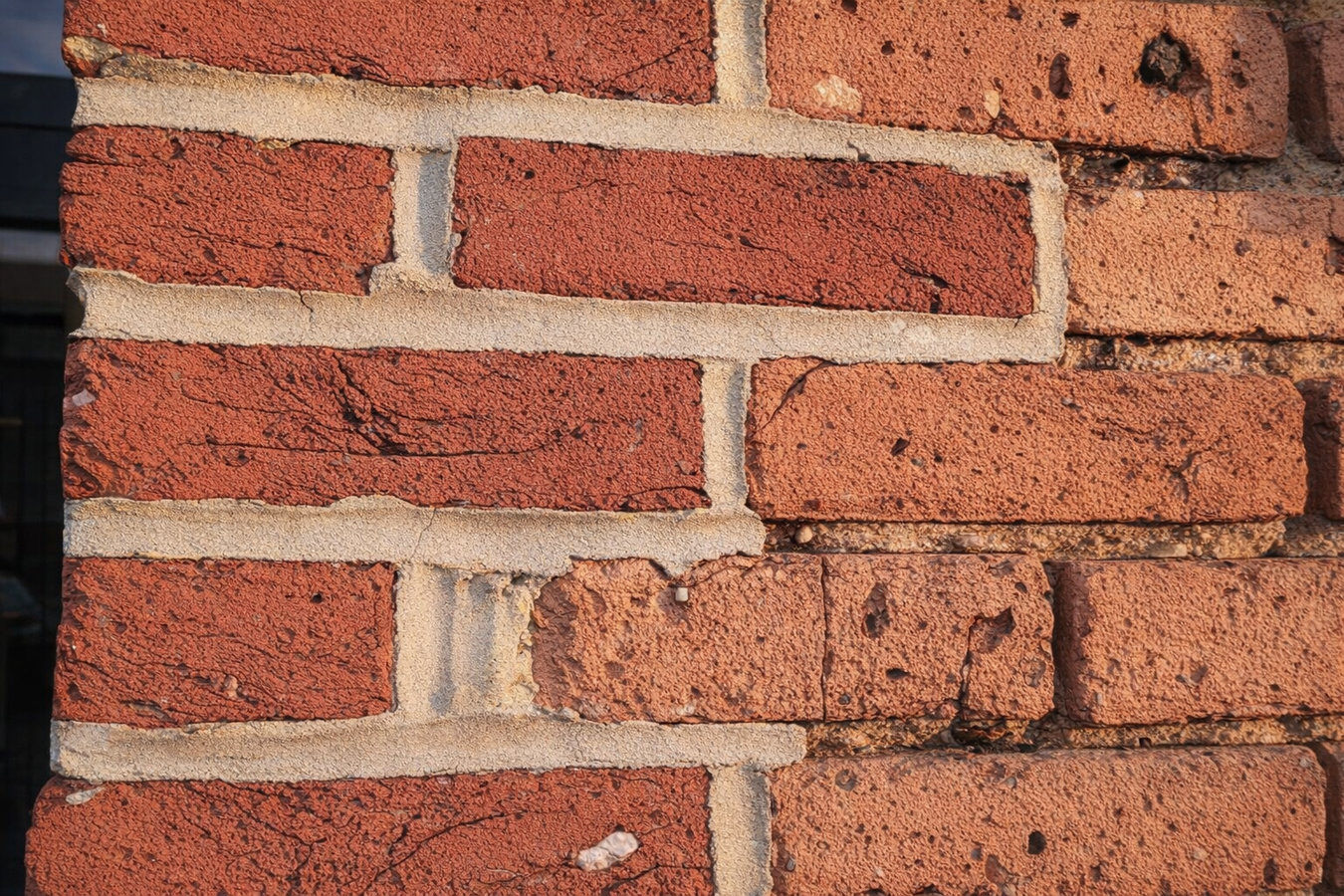
Masonry restoration in West Des Moines covers repairing, cleaning, and stabilizing brick, stone, or concrete block surfaces that have started to break down - most jobs on a chimney or single wall section are completed in one to three days, while a larger repoint or multi-surface project can run a week or more depending on scope.
The mortar between bricks is softer than the brick itself by design - it absorbs stress and small movements so the bricks stay intact. But after enough Iowa winters, it erodes, cracks, and pulls away from the brick face. Once that happens, water finds a path in and every freeze-thaw cycle makes the gap a little wider. Masonry restoration stops that process before it becomes a structural problem.
If the restoration also involves surface-level stone or decorative work, we offer stone masonry services that handle everything from repairs to new installations in the same visit.
Run your finger along the mortar joints on your chimney, front steps, or exterior wall. If the material feels soft, flakes easily, or sits noticeably lower than the brick face, the mortar has eroded past the point where it is keeping water out. In West Des Moines this is especially common on homes built before 1980, where the original mortar has now been through 40 or more Iowa winters.
That chalky white residue is called efflorescence - mineral salt left behind when water moves through the masonry and evaporates on the surface. It is a reliable sign that water is getting into your wall somewhere. In Iowa's wet springs and freeze-thaw winters, this kind of water movement can quietly damage the interior of a wall long before you see anything dramatic on the outside.
When the surface of a brick starts to peel or pop off, it usually means water got inside the brick itself and froze there repeatedly. This is called spalling, and it gets worse each winter if not addressed. Once a brick starts spalling it cannot be repaired - it needs to be replaced - so catching it early limits how much of the wall needs work.
Check brick or block retaining walls after the ground has been saturated - typically in April or May in West Des Moines. Horizontal cracks in a retaining wall signal that soil pressure is building behind it. Stair-step cracks running diagonally across a wall or steps often point to settling caused by the clay-heavy soils common in this area.
We handle repointing, spall repair, brick replacement, chimney cap and crown repair, retaining wall restoration, and full exterior repoints on single- and two-story homes. Every job starts with a thorough assessment of the existing material - we match mortar in both color and hardness before touching a single joint, because using a mix that is too hard for older brick is one of the most common ways a restoration fails early. Where the project calls for decorative stonework or updated finishes, our stone masonry team can integrate those elements into the same project.
For homeowners with a gas or wood-burning fireplace showing mortar damage inside the firebox or on the chimney exterior, we also offer fireplace installation and rebuild when the firebox itself needs to be reconstructed rather than just repointed. If the scope is repair only, we handle that as a standard restoration project.
Best for homeowners whose brick looks solid but whose mortar joints are eroded, soft, or crumbling - the most common restoration need in West Des Moines.
Best for homes where individual bricks have started to flake, chip, or crumble and need to be replaced before the damage spreads to neighboring units.
Best for homeowners dealing with a cracked chimney cap, damaged crown, or deteriorating chimney mortar that is allowing water into the flue.
Best for properties where a brick or block retaining wall shows cracking, leaning, or joint failure after wet or cold seasons.
West Des Moines sits in a climate zone where temperatures swing above and below freezing dozens of times each winter. Every time water in a small crack freezes, it expands and widens that crack a little more. For homeowners here, masonry damage tends to accelerate faster than in milder climates - a small gap noticed in spring can become a significant problem by the following March if left untreated. The mid-century neighborhoods developed in the 1950s through 1970s have brick-veneer homes where the original mortar is now 50 to 70 years old and has likely been through more freeze-thaw cycles than it was designed to handle. Customers in Des Moines with similar housing stock call us with the same problems every spring.
The clay-heavy soils across the greater Des Moines area expand when wet and contract when dry - that seasonal movement puts ongoing stress on masonry foundations, retaining walls, and steps in ways that pure weathering alone does not. It is one reason why some cracks keep returning even after surface repairs. Homeowners in Urbandale face the same soil conditions and contact us regularly when retaining wall and step repairs do not hold up after a wet spring. The National Park Service Preservation Briefs are the authoritative guide on matching mortar to historic masonry - a standard we apply to every older home we work on in this area.
Reach out by phone or contact form and we will ask a few basic questions about what you are seeing and how old the home is. We aim to respond within one business day and will schedule an in-person look before quoting - masonry work is hard to price accurately from photos.
We walk the full affected area - not just the obvious damage but the surrounding material and drainage patterns. We look at the pattern of cracking to determine whether soil movement is a factor. You get a written estimate before any work is scheduled, with no pressure to move forward.
For structural work - chimney rebuilds, retaining wall repairs, or foundation masonry - we apply for the City of West Des Moines permit before work begins. This adds a few business days to the timeline but creates a permanent record that protects you during a home sale or insurance claim.
The crew sets up drop cloths, removes damaged material with small grinders and hand tools, and applies new mortar in careful layers. New mortar needs several days to cure - avoid pressure-washing or sealing during that window. We walk the completed work with you and explain what to watch for going forward.
Free on-site estimate. No obligation. We respond within one business day.
(515) 706-9183We assess your existing material and select a mortar that matches it in both color and hardness before we touch a single joint. Using a mix that is too hard for older brick causes the bricks themselves to crack over time - a failure mode that looks like new damage but was caused by the repair. We test before we commit.
Structural masonry work in West Des Moines requires a permit, and skipping that step can create real problems when you sell your home or file an insurance claim. We handle the permit process from application to final inspection sign-off - you never have to figure out what the city requires or chase down paperwork.
The clay soils across the Des Moines metro expand and contract with every wet and dry season, and that movement is often driving cracks that look like simple mortar failure. We look at the pattern of damage to determine whether soil pressure is a contributing factor before recommending a repair approach - because fixing the surface without addressing the cause is a short-term solution.
We have worked on brick ranch homes, mid-century split-levels, and older Valley Junction properties throughout West Des Moines. We know the housing stock, the soil conditions, and the local permit process. That direct experience shapes how we approach every project in this area. The Mason Contractors Association of America sets the trade standards we work to on every job.
Every one of these commitments adds up to a project that holds up - not just on the day we finish, but through the winters and wet springs that West Des Moines delivers every year. We walk you through what we found and what we did before we leave, so you know exactly what was done and why - that is what working with a hands-on masonry contractor looks like.
Rebuild or install a masonry fireplace using brick and stone matched to your home.
Learn MoreNatural and cut stone work for walls, steps, and architectural features around your property.
Learn MoreWest Des Moines contractors book up fast in spring - reach out now and we will get an estimate on your calendar before the rush.